
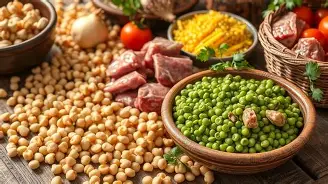
ingredients in qoghundos: Exploring Flavor, Tradition, and Culinary Curiosity
Food enthusiasts are constantly searching for rare dishes, unique recipes, and traditional preparations that bring something different to the table. One topic generating increasing curiosity is ingredients in qoghundos. Whether discussed in culinary circles, food blogs, or cultural conversations, this phrase has attracted attention from people eager to understand what makes this mysterious preparation distinctive.
The interest in ingredients in qoghundos reflects a larger trend in global cuisine where people seek authentic flavors, regional specialties, and unusual ingredient combinations. As modern dining evolves, curiosity around lesser-known dishes continues growing among adventurous eaters and culinary researchers alike.
Understanding the Cultural Appeal of Qoghundos
Traditional foods often carry deep cultural significance. They tell stories about geography, climate, local farming practices, and historical influences. Discussions surrounding ingredients in qoghundos highlight how regional dishes preserve culinary identity while introducing unique flavor experiences to new audiences.
Many traditional recipes are built around locally available ingredients. Over generations, families refine preparation methods, seasoning techniques, and cooking styles that become closely tied to cultural heritage.
This is one reason why food lovers become fascinated by topics like ingredients in qoghundos. Beyond taste, these dishes offer insight into culinary traditions and community practices.
Common Elements Found in Traditional Recipes
Although interpretations may vary depending on region or preparation style, discussions about ingredients in qoghundos often focus on a balance of earthy flavors, aromatic spices, and layered textures.
Herbs and Spices
Many traditional dishes rely heavily on spice combinations for depth and complexity. Ingredients such as cumin, coriander, black pepper, and dried herbs may contribute warmth and aroma.
Grains or Base Components
Staple ingredients often form the structural foundation of traditional meals. Depending on preparation methods, grains, legumes, or dough-based elements may play a central role.
Fresh Vegetables
Seasonal vegetables add texture, nutrition, and natural flavor. Slow-cooked vegetables are especially common in heritage-style recipes because they absorb surrounding spices effectively.
Oils and Natural Fats
Cooking oils or clarified fats help blend flavors together while enhancing richness and mouthfeel.
These culinary elements are frequently discussed when exploring ingredients in qoghundos from a traditional cooking perspective.
Why Unique Ingredients Capture Attention
Modern audiences increasingly value originality in food experiences. Social media, food documentaries, and culinary tourism have encouraged people to explore dishes beyond familiar restaurant menus.
As a result, topics like ingredients in qoghundos generate interest because they introduce unfamiliar culinary concepts. Food lovers often enjoy discovering recipes that feel authentic, rare, or culturally meaningful.
Unique ingredients also inspire creativity in home kitchens. Many cooks experiment with traditional flavor combinations to recreate regional dishes while adapting them to local tastes and ingredient availability.
The Role of Texture and Aroma in Traditional Cooking
Taste is only one part of the dining experience. Texture and aroma strongly influence how people perceive food. Conversations about ingredients in qoghundos frequently emphasize the importance of balancing softness, crunch, spice intensity, and fragrance.
Slow cooking methods often deepen flavors while improving texture consistency. Simmering ingredients together allows spices and natural oils to combine gradually, creating richer flavor profiles.
Aromatic herbs and warming spices can transform simple ingredients into memorable dishes. This layered approach is a defining feature of many traditional cuisines worldwide.
Nutritional Aspects of Traditional Ingredients
Traditional recipes often rely on whole ingredients with strong nutritional value. Discussions surrounding ingredients in qoghundos sometimes focus on how heritage cooking methods naturally support balanced eating habits.
Natural Ingredients
Traditional meals frequently avoid excessive processing, relying instead on fresh vegetables, herbs, and minimally refined components.
Balanced Flavor Profiles
Combining grains, vegetables, spices, and healthy fats creates meals that feel satisfying without relying heavily on artificial additives.
Seasonal Cooking
Many heritage recipes change according to seasonal ingredient availability, supporting fresher and more diverse nutrition.
These characteristics help explain why traditional cuisine continues influencing modern food trends.
How Food Curiosity Shapes Online Trends
Search interest in topics like ingredients in qoghundos demonstrates how digital culture shapes modern culinary exploration. People now use online platforms to discover unfamiliar recipes, cooking methods, and ingredient histories from around the world.
This growing curiosity has contributed to the popularity of:
- Traditional cooking tutorials
- Regional food storytelling
- Heritage recipe recreations
- Ingredient deep-dives
- Cultural food discussions
As audiences continue exploring global cuisines, unusual food-related keywords naturally gain visibility and discussion online.
Cooking Techniques That Enhance Flavor
Preparation methods are just as important as ingredients themselves. When discussing ingredients in qoghundos, cooking style often becomes part of the conversation because technique directly affects flavor development.
Slow Simmering
Slow cooking allows spices and herbs to blend more naturally into the dish.
Layered Seasoning
Adding seasonings gradually creates more balanced and nuanced flavors.
Fresh Garnishing
Final garnishes such as herbs or roasted spices can elevate aroma and presentation significantly.
These methods contribute to the depth and richness associated with traditional culinary experiences.
The Growing Appreciation for Heritage Cuisine
Modern food culture increasingly values authenticity and craftsmanship. Consumers are becoming more interested in meals that carry historical significance and regional identity.
The growing interest in ingredients in qoghundos reflects this broader appreciation for heritage cuisine. Rather than focusing only on convenience or trends, many people now seek meaningful food experiences connected to tradition and storytelling.
This shift encourages culinary preservation while introducing older recipes to younger generations and global audiences.
Conclusion
The rising curiosity surrounding ingredients in qoghundos highlights the enduring appeal of traditional cooking, cultural flavor profiles, and authentic culinary exploration. As food enthusiasts continue searching for unique dining experiences, heritage-inspired dishes remain highly relevant in modern cuisine.
From aromatic spices and layered textures to regional cooking methods and nutritional balance, discussions about ingredients in qoghundos reveal how traditional recipes continue influencing global food culture. In an era driven by culinary discovery, authentic and flavorful dishes will always capture attention and inspire curiosity.











Leave a Reply